Picking Potatoes

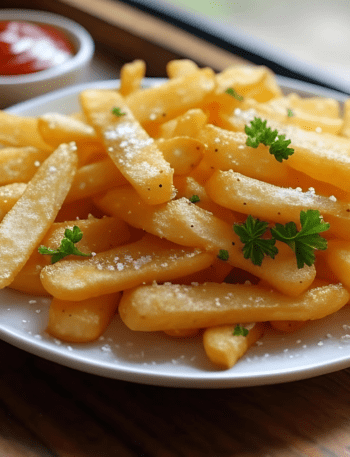
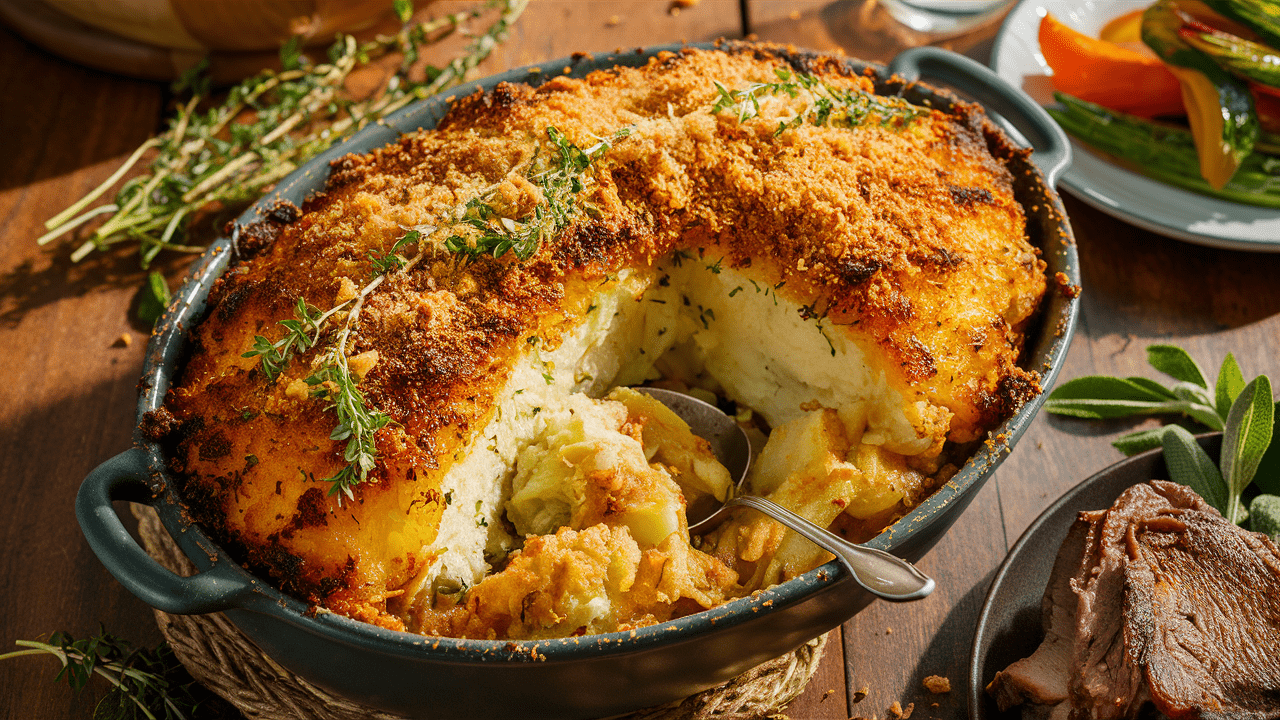
When you are choosing potatoes for a recipe, remember that waxy potatoes and baby new potatoes are excellent for salads; large Kerr's Pinks or Golden Wonders are good for baking and Maris Pipers are the potato of choice by chefs for the best mashed potatoes.

See more tips!

  Hot Links
  Recipes
    RECIPES   
You are here > RECIPES :: Japanese Cooking :: Seiya Nakano: How to cook Japanese Rice

Seiya Nakano: How to cook Japanese Rice Rating :  

Our Greatfood.ie Japanese Guest Chef Seiya Nakano is from Osaka and learnt to make sushi from a master Japanese chef. He has also trained at Le Cordon Bleu in Paris followed by an internship at the 3 Michelin star restaurant Ledoyen. Here he guides you through cooking Japanese rice the correct way for use in sushi or to eat with a meal.

Serves – Cook as much as you need!

Ingredients

Japanese Rice – The Sun Clad Shinode brand is good, it's available in the Asia market in Dublin and asian markets around Ireland.


Directions

Japanese rice is a short grain rice(the opposite of long grain rice) and it is very sticky. We use it for sushi and to eat with other dishes. In Japanese cuisine you have a lot of different things on the plate, but each person has their own bowl of rice. Rice is the carbohydrate for Japanese people just as western people eat bread or potato.

There is a lot of starch on Japanese rice so you need to wash it really well until the water runs clear. We have a special method to wash it.

How to wash Japanese Rice
Take a bowl and measure the rice into it. Run the water over the rice, lifting the rice and rubbing it between your hands under the water. We call this the ‘praying method‘ because your hands look as if they are in prayer. When the water in the rice is clear and there is no white residue left, drain the water as much as you can. Now press the rice with the heel of your hand gently into the bowl (you need to press but not too much or you will break the rice - if you ever see Japanese rice and the grains look broken, it means that the person has either pressed the rice too hard or it’s old rice). The reason why you wash the rice this way is to remove some of the starch so that it is not too sticky. If you don’t wash it well, when you are handling the rice it becomes mushy, like glue, so it’s important to wash it properly.

How to eat Japanese Rice
Usually we eat the rice on its own, or use it in sushi or cook it with seasonal ingredients. In spring, we prepare it with bamboo shoots. In Autumn we have mushrooms that grow under the red pine tree, they are called matsu-take (matsu means pine, take is mushroom). They are a bit like ceps. Just one mushroom about the size of a field mushroom could be 100 euro. Japanese cuisine is quite plain, it tries to keep the original flavour of the ingredient and to maximise its character. In the highest standard of restaurant, you could receive just one bamboo shoot for one of the courses! The Americans see this on a plate for 50 euro and can’t understand it.

How to cook Japanese rice
You’ll need a minimum of about 70g dry weight - grains of rice always stick to the end of the pan so you need to cook about at least a cup of rice at one time to make sure you have enough. The rice swells to 3 times its size when it’s cooked.

Measure 1 cup of water to 1 cup of rice (1 to 1 ratio) and put it in a saucepan or rice cooker. Put the rice in cold water, put the lid on and bring to the boil. Reduce the heat to a simmer, the lowest you can go, because if the heat is too high, the rice will burn. Always use a heavy-bottomed pan. Simmer for another ten minutes.

You need really good condensation to cook the rice so the cooking time is about 20 minutes in total for any quantity of rice. That means you need to adjust the temperature of the heat to allow the rice to take ten minutes to come to the boil - too quickly is not good, too slowly is not good. When you have brought it down to a simmer, simmer for 10 minutes at least or until the rice has absorbed all the water. When you are cooking it in the pan, it will bubble it and push up the lid. To avoid this, wet a tea towel and place it between the lid and the pan making sure that it doesn‘t hang over and catch fire. This will stop the water spilling out, and if you are using gas, stop the water running out of the saucepan and possibly extinguishing the gas.

An old saying is that when you are cooking the rice, even if a baby cries, leave the lid on (if water splashes over the edge, you can lift the lid ajar a little but never use cold water to reduce the boil.)

Once the rice is cooked, take the lid off, fork it to break up the rice, put the lid back and leave it off the heat for another 5 minutes to fluff up and rest. If the rice has stuck a bit and is not burned but golden brown, peel it off and do what we do, dip it in soy sauce and eat it. Obviously you don’t want to use the stuck rice if you are making sushi.

When Japanese chefs use the pine mushroom that we talked about earlier to flavour the rice, during this process, you replace the water with dashi (just like a pilaf or risotto) and add a little soy sauce, and place the sliced mushroom in the stock with the rice, using the same method. Fantastic! You could try this with other mushrooms, like shitake. Shitake and mushrooms and soy sauce are really good friends. The fragrance is amazing.

Where to buy Japanese Rice
You will find it in most Asian markets labelled Japanese Rice or Sushi Rice. Ask if you are not sure (you can’t use basmati, Thai, short or long grain rice, it has to be the right one). The Sun Clad Shinode brand is good, it’s available in the Asia market in Dublin.

Seiya Nakano is from Osaka and was taught his sushi making skills from a master Japanese chef. He studied Business in Australia and is a trained Cordon Bleu chef and interned at the 3 Michelin star restaurant Ledoyen. He runs the high quality Irish sushi company OSushi, making sushi for retailers such as Fallon & Byrne and Listons and private catering. 


View more Japanese Cooking
Print This Article
Rate this recipe
Your Comments

Quick search for items alphabetically :
Browse   A  B  C  D  E  F  G  H  I  J  K  L  M  N  O  P  Q  R  S  T  U  V  W  X  Y  Z


Home | Contact

SEARCH

Home | Sitemap | Contact Us | Copyright © www.greatfood.ie. Website Maintained By ISolution.org